A positive bacteria test on your well is a signal to act, not proof that your water will make you sick today. The most important line on the lab report is whether E. coli was detected. Total coliform present, E. coli absent usually means a way in has opened up but no fecal contamination has been confirmed; E. coli present means the water has been exposed to feces and you should stop drinking it immediately. The EPA sets the safe limit for both at zero, but the urgency between those two results is very different, and so is the playbook.
Total Coliform vs. E. coli: What Your Test Result Means
Coliform bacteria are a broad family of organisms used as an indicator, not a single dangerous germ. The EPA explains that total coliforms are mostly harmless and live naturally in soil and vegetation, but their job on a water test is to tell you whether the barriers protecting your well are intact. If total coliform can reach your water, something else can too.
- Total coliform present / E. coli absent: Per Montana State University Extension and the EPA, this means there is a pathway for surface or soil bacteria into your well, but no direct evidence of fecal contamination. Not an emergency, but not "ignore it" either.
- E. coli (or fecal coliform) present: The CDC and EPA treat this as confirmation that human or animal waste has reached the water. This is the result that triggers an immediate health response.
- Both absent: Your water passed the bacteriological test. The CDC recommends private wells be tested for bacteria at least once a year to keep it that way.
One nuance worth knowing: the EPA's limit is "present/absent," not a number you can be a little over. The maximum contaminant level goal for both total coliform and E. coli is zero, which is why labs report these as detected or not detected rather than a concentration.
Is the Water Safe to Drink? Immediate Steps
If your result shows E. coli present, act before you do anything else. The CDC's guidance is to stop drinking the water and switch to a safe source until it is treated.
- Boil first, or use bottled. Bring clear water to a rolling boil for 1 minute (the CDC specifies 3 minutes above 6,500 feet elevation), then let it cool. Boiled or bottled water is for drinking, cooking, brushing teeth, washing produce, making ice, and pet water.
- What is still fine: Showering and bathing are generally acceptable for healthy adults as long as you do not swallow the water; hand-washing with soap is fine. Laundry and dishwashing on a hot cycle are typically okay.
- Protect the vulnerable. Infants, elderly household members, pregnant people, and anyone immunocompromised should rely strictly on the safe source.
If your result is total coliform only, you do not have to declare a boil-water emergency, but many state programs and extension services recommend boiling or using bottled water for drinking and cooking until a resample confirms the situation, simply because the indicator is telling you a door is open.
Confirming the Result with a Proper Resample
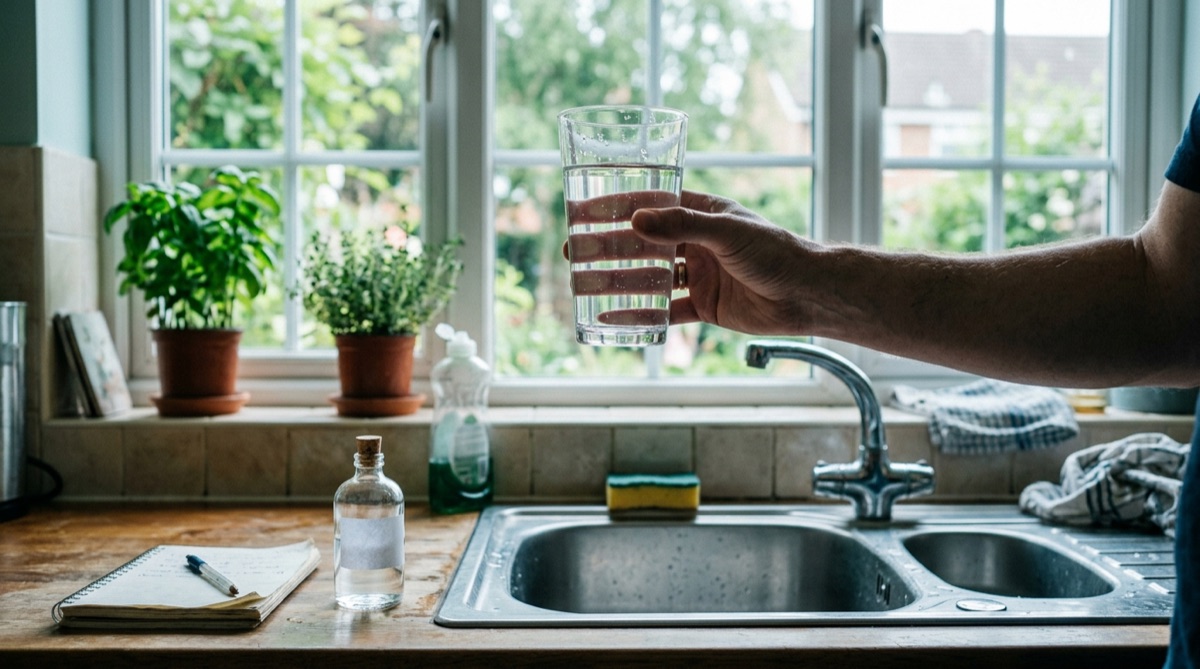
Before you tear apart your wellhead, rule out a bad sample. A surprising share of positive results trace back to a contaminated sampling tap, an unsterilized bottle, or a sample that sat too long before reaching the lab. The fix is a clean resample, and it is inexpensive.
Use a state-certified laboratory rather than a home strip kit for any result you intend to act on. The CDC recommends certified labs specifically because the result drives real decisions. A dedicated coliform and E. coli test runs roughly $20 to $50 at a certified lab, with results typically back in a few days. When you resample, draw from an inside faucet you have disinfected, follow the lab's bottle instructions exactly, and get it back within the lab's holding time.
| Step / Item | Typical 2026 cost (US) | Notes |
|---|---|---|
| Certified coliform / E. coli resample | $20 - $50 | Rules out a fluke before you spend on repairs (Tap Score, county labs) |
| Professional shock chlorination | $100 - $500 | Varies by well depth and diameter (Angi, SC Well Service) |
| UV disinfection system, installed | $700 - $2,000 | Plus ~$80 - $150/yr for bulb replacement (Modernize) |
| Continuous chlorination (point-of-entry) | $1,500 - $4,000+ | Injection pump + contact tank + carbon; needs ongoing monitoring |
| Full treatment stack (sediment, iron, UV, carbon) | $2,000 - $6,000+ | When bacteria ride along with iron or sediment problems |
Where Bacteria Get In: Septic, Surface Water, and Well Defects
Shock chlorination clears the bacteria that are there now, but if you skip this step the contamination comes right back. Bacteria almost always enter through a physical pathway, and most of them are findable.
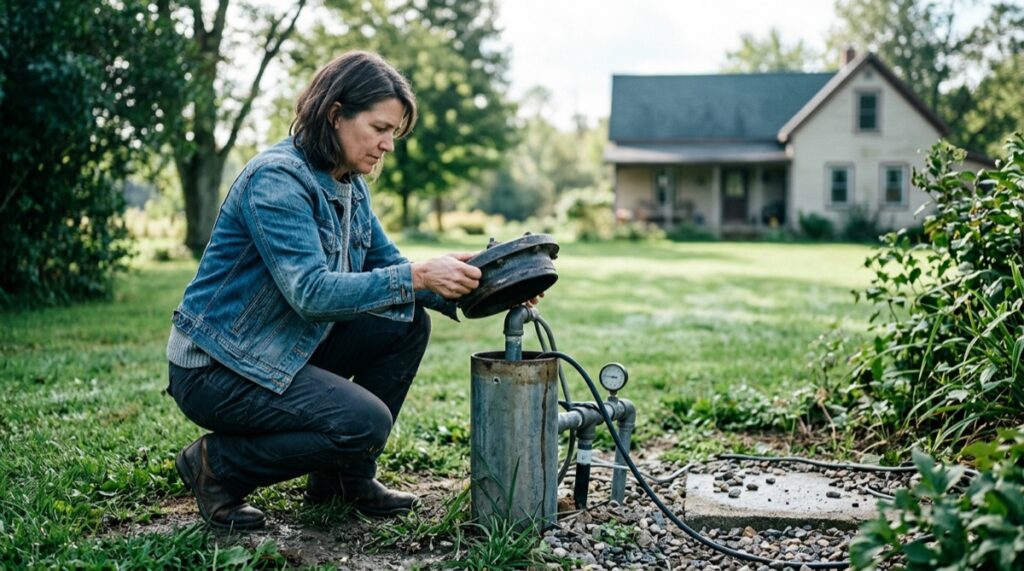
- Surface water intrusion. The most common culprit. Rainwater or snowmelt carrying soil bacteria runs down the outside of the casing or pools around the wellhead. Check that the ground slopes away from the well and that the casing rises well above grade.
- A damaged or missing well cap. A cracked, loose, or unvented cap lets insects, debris, and runoff straight in. This is the cheapest defect to fix and one of the most common.
- Casing and grout failure. Corroded casing or a failed grout seal lets shallow, contaminated water bypass the protective barrier. This is the same seal discussed in our guide to well casing and grouting, and a compromised one is a frequent source of recurring coliform.
- A nearby septic system. An aging, undersized, or too-close septic field is the classic source of E. coli specifically. If your test came back E. coli-positive, the septic system is a prime suspect.
- Old, shallow, or hand-dug wells. Bored and dug wells sit closer to the surface and are inherently more exposed than deep drilled wells, as we cover in drilled vs. bored vs. driven wells.
Walk the wellhead before you call anyone: cap condition, casing height, grading, and distance to any septic or barnyard. A short inspection often points straight at the problem.
Shock Chlorination to Clear the Contamination
Shock chlorination is the standard one-time treatment to disinfect a well. You introduce a strong dose of chlorine, circulate it through the entire system including the well, pressure tank, water heater, and all the lines, let it sit, then flush it out. Penn State Extension and most state programs treat it as the first response to any bacteria positive.
- Dosing matters. The right amount of bleach depends on your well's depth and diameter, because those determine how much water the well holds. Under-dosing leaves bacteria alive; over-dosing can damage pump components and pipes.
- Contact time is the whole point. The chlorinated water generally needs to sit in the system for several hours, often overnight, to actually kill the bacteria.
- Then flush completely. Run the water outside (away from septic, plants, and surface water) until the chlorine smell is gone before you retest.
- DIY vs. pro. A do-it-yourself shock runs roughly $50 to $100 in supplies; having a licensed well contractor do it typically costs $100 to $500 depending on well depth and complexity, and they get the dose right the first time.
One caution: shock chlorination is a reset, not a cure. If you do not fix the pathway from the previous section, a re-test weeks later will often come back positive again. Always retest 1 to 2 weeks after shocking, and many experts suggest a second confirming test a few weeks after that.
Continuous Chlorination and UV for Long-Term Protection
If your well keeps testing positive after you have fixed the obvious defects and shock-chlorinated, or if it sits in a high-risk setting (shallow well, flood-prone area, dense septic neighborhood), you may need permanent, always-on disinfection. Two systems dominate for homes, and they are part of the broader menu in our well water treatment options guide.
- Ultraviolet (UV) disinfection. Water passes a UV lamp that inactivates bacteria, viruses, and chlorine-resistant parasites without adding any chemicals or changing taste. Installed cost runs about $700 to $2,000, plus roughly $80 to $150 a year to replace the bulb. UV requires clear water, so cloudy or iron-laden water needs pre-filtration first.
- Continuous chlorination. A small pump injects a steady, low dose of chlorine into the water, usually paired with a contact tank and a carbon filter to remove taste and odor downstream. A point-of-entry setup commonly runs $1,500 to $4,000 or more and needs ongoing monitoring and refilling, but it leaves a residual that protects the whole plumbing system, which UV alone does not.
For most homeowners with otherwise clean water, UV is the simpler, lower-maintenance choice. Continuous chlorination earns its keep when bacteria recur stubbornly or when the water also carries iron, sulfur, or other issues a chlorine system can knock down at the same time.
When to Call a Licensed Well Professional
Plenty of homeowners handle a resample and even a shock chlorination themselves. But some situations call for a licensed well contractor, both for safety and to avoid throwing money at the wrong fix.
- Repeat E. coli positives after you have shocked the well, which usually point to a structural defect or a septic problem you cannot see from the surface.
- Suspected casing, grout, or cap failure that needs pulling equipment or sealing work.
- An unexplained positive you cannot trace from the surface, where a contractor can run a clean, certified sample and pin down the entry point, building on the basics in our guide to how to test well water.
- Choosing and sizing a permanent UV or chlorination system, so it matches your flow rate and water chemistry. Our notes on how to choose a well driller apply equally to well-service contractors.
A qualified contractor can camera-inspect the casing, pressure-test the seal, and tell you whether you are dealing with a quick fix or a deeper problem, before you spend on treatment hardware you may not need.
Frequently asked questions
Is total coliform without E. coli safe to drink?
It is not a confirmed health emergency, but it is not a clean bill of health either. Total coliform tells you a pathway into your well has opened, so more dangerous bacteria could follow. Many state programs advise using boiled or bottled water for drinking until a resample and source check are done, then shock-chlorinating and retesting.
How long should I boil well water during a bacteria advisory?
The CDC recommends bringing clear water to a rolling boil for 1 minute, and 3 minutes if you live above 6,500 feet of elevation. Let it cool before use. Boiled water covers drinking, cooking, ice, brushing teeth, and washing produce until your well retests clean.
How much does it cost to shock chlorinate a well?
A DIY shock runs roughly $50 to $100 in supplies. Hiring a licensed well contractor typically costs $100 to $500 depending on your well's depth and diameter, according to Angi and well-service providers. The contractor advantage is correct dosing, which avoids both under-treating and damaging your pump.
Will shock chlorination fix my well permanently?
No. Shock chlorination clears the bacteria present right now, but if the way they got in is still open, the contamination usually returns. Fix the pathway, such as a bad cap, failed grout seal, or surface runoff, then retest 1 to 2 weeks later. Recurring positives are the signal to consider permanent UV or continuous chlorination.
Do I need UV or continuous chlorination?
Most homes with otherwise clean water do well with UV, which adds no chemicals and costs about $700 to $2,000 installed plus an annual bulb. Continuous chlorination ($1,500 to $4,000+) is better when bacteria recur stubbornly or the water also has iron or sulfur, because it leaves a protective residual throughout your plumbing.
How often should I test my well for bacteria?
The CDC recommends testing private wells for total coliform bacteria at least once a year, plus after any flooding, well repair, or change in taste, odor, or color. A certified-lab coliform and E. coli test costs only about $20 to $50, which is cheap insurance for your household's drinking water.
If your well keeps testing positive, you suspect a casing or septic problem, or you want a permanent disinfection system sized correctly, find a licensed well contractor near you to inspect the well and recommend the right fix.
Sources: U.S. EPA, Revised Total Coliform Rule and National Primary Drinking Water Regulations (MCLG/MCL for total coliform and E. coli); CDC, Guidelines for Testing Well Water and Boil Water Advisory guidance (rolling boil 1 minute; 3 minutes above 6,500 ft; annual bacteria testing); Montana State University Extension, Total Coliform and E. coli Bacteria; Penn State Extension, Shock Chlorination of Wells and Springs; Angi and SC Well Service (shock chlorination cost data, 2026); Modernize (UV system cost data, 2026); Tap Score / certified-lab pricing.

Author: Well Driller Finder Editorial Team
The Well Driller Finder editorial team researches and writes our guides on water-well drilling, pumps, and well water for homeowners across the US and Canada. We translate current cost data, NGWA and state well-construction standards, and EPA and CDC guidance into clear, practical answers. What we stand for: honest, independent help. Every price and claim is researched and fact-checked against multiple 2026 sources — never guessed, never borrowed from a single advertiser. We answer to homeowners, not to the companies we write about, because our only goal is to help you make a confident, well-informed decision about your water.
Find verified, local contractors who handle new installations, pump service, and water quality testing — in your area.