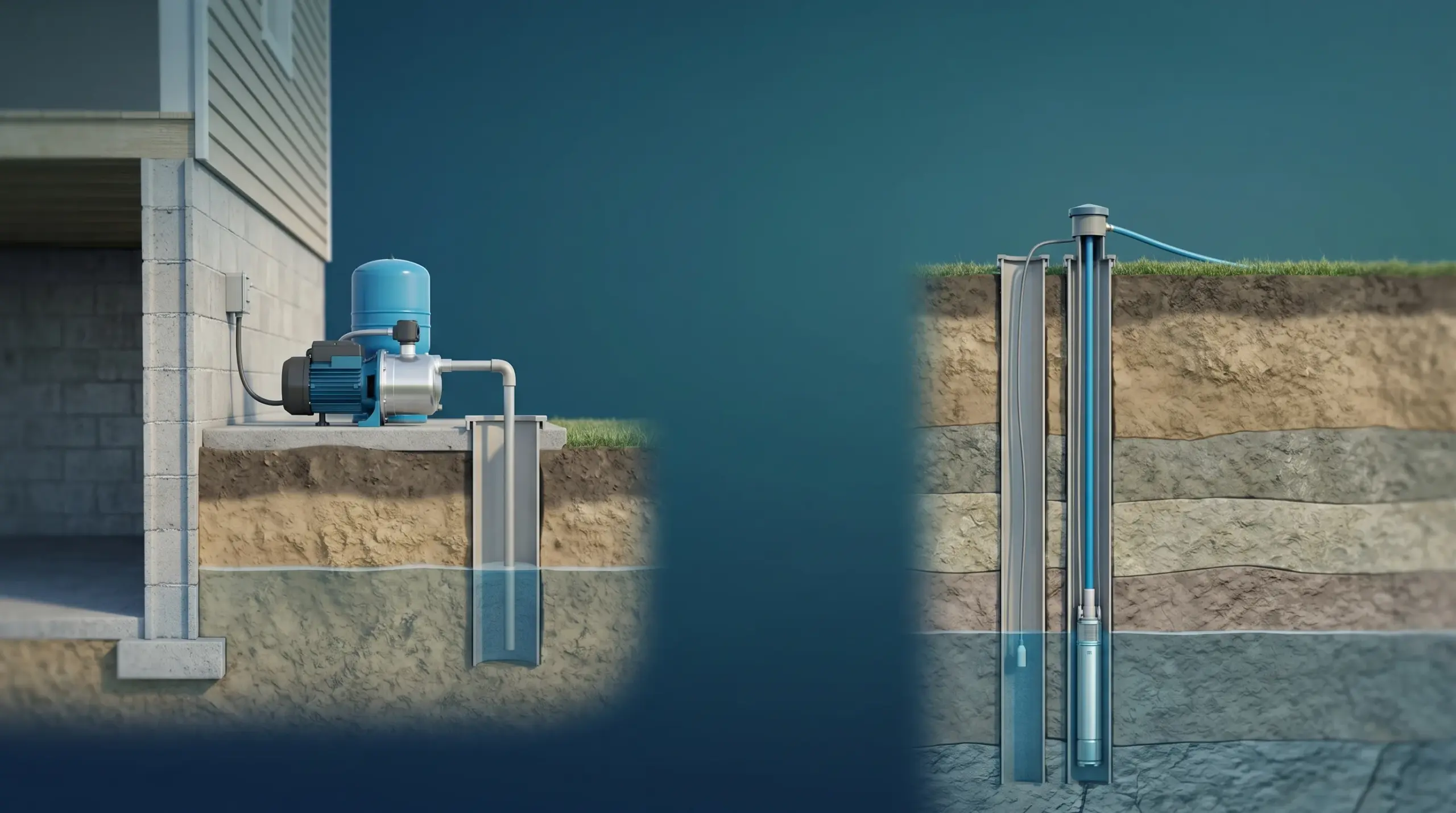
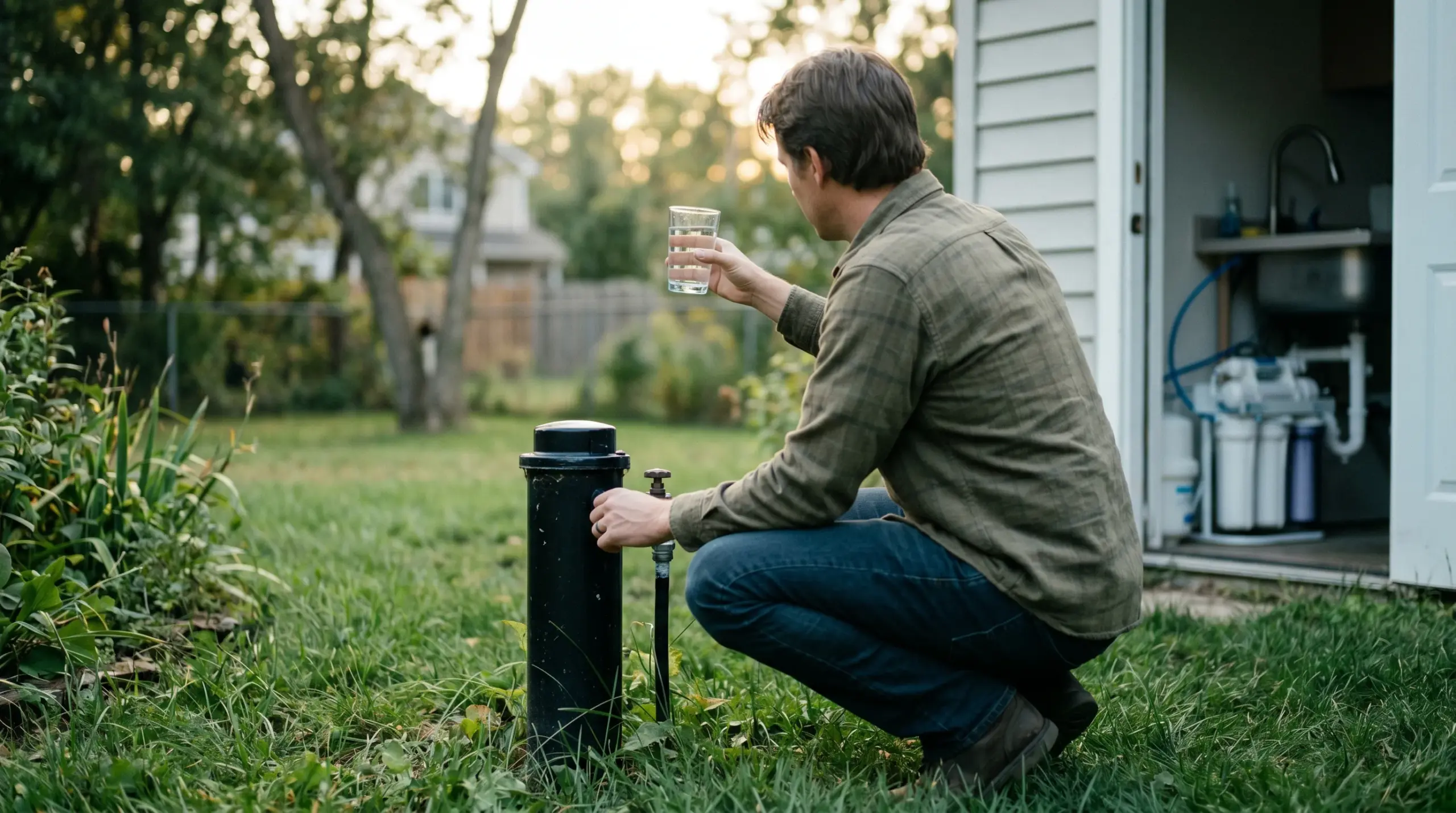
If you own a home with a private well, sooner or later you'll face a decision that quietly shapes your water pressure, your power bill, and your weekend plans for…
If a water test comes back showing lead, the first instinct is to blame the well — something down in the ground, in the aquifer, leaching poison into your family's…
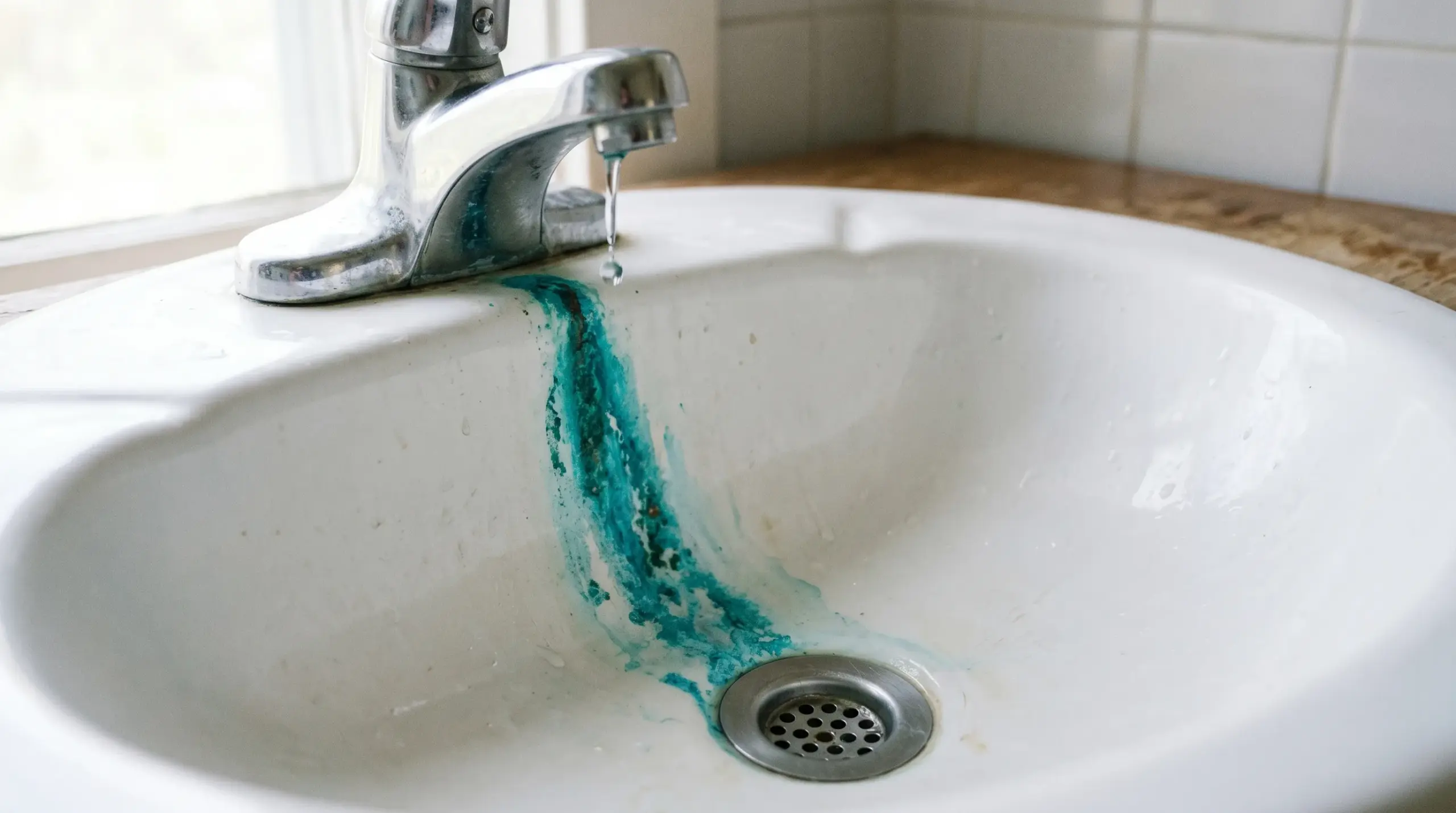
If you keep finding blue-green stains in your sink, bathtub, or toilet bowl - or you've had a plumber out for a mysterious pinhole leak in a copper pipe -…
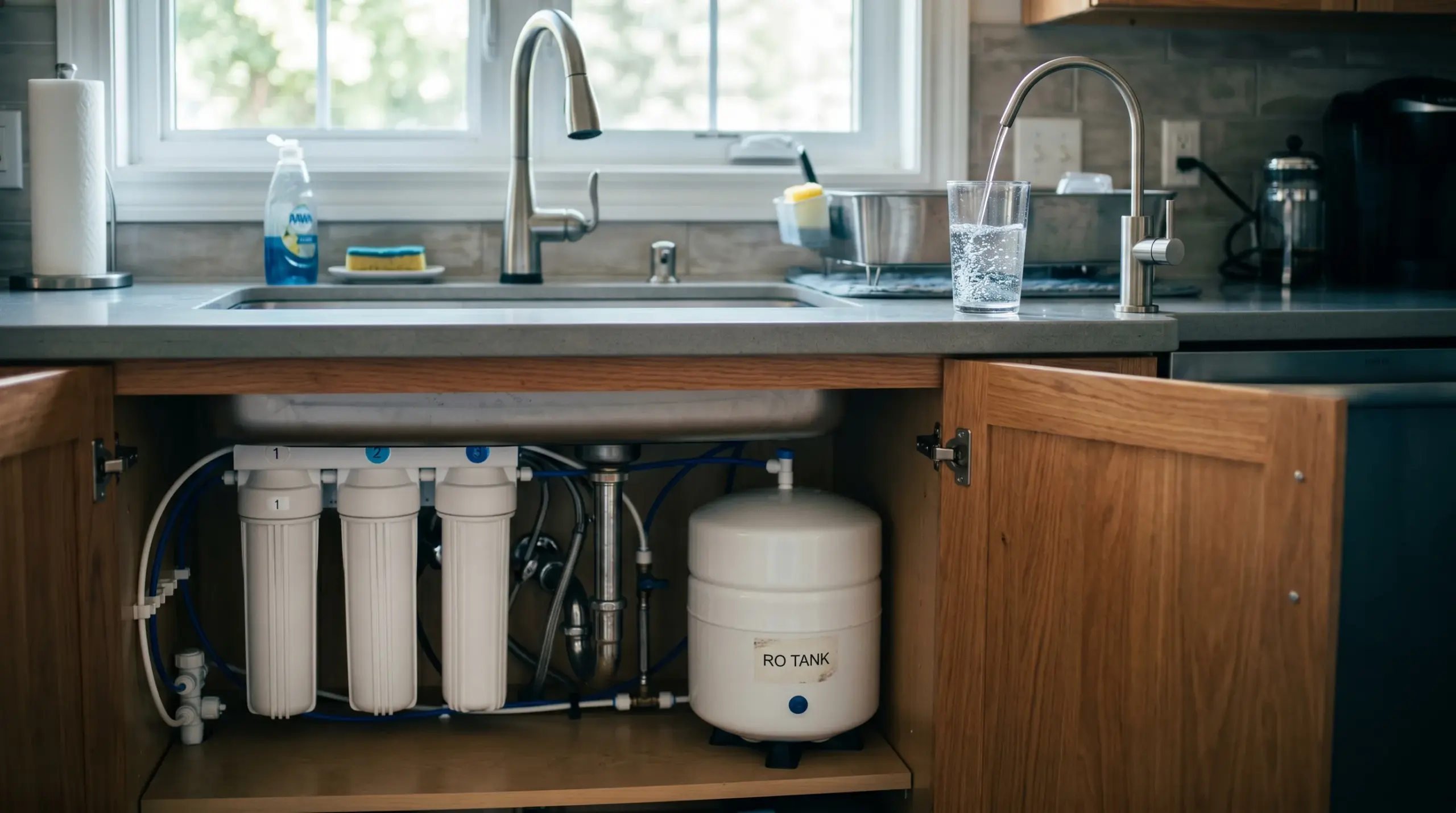
If your well water test came back with arsenic, nitrate, PFAS, or a sky-high total dissolved solids (TDS) number, someone has probably already told you the answer is "reverse osmosis."…
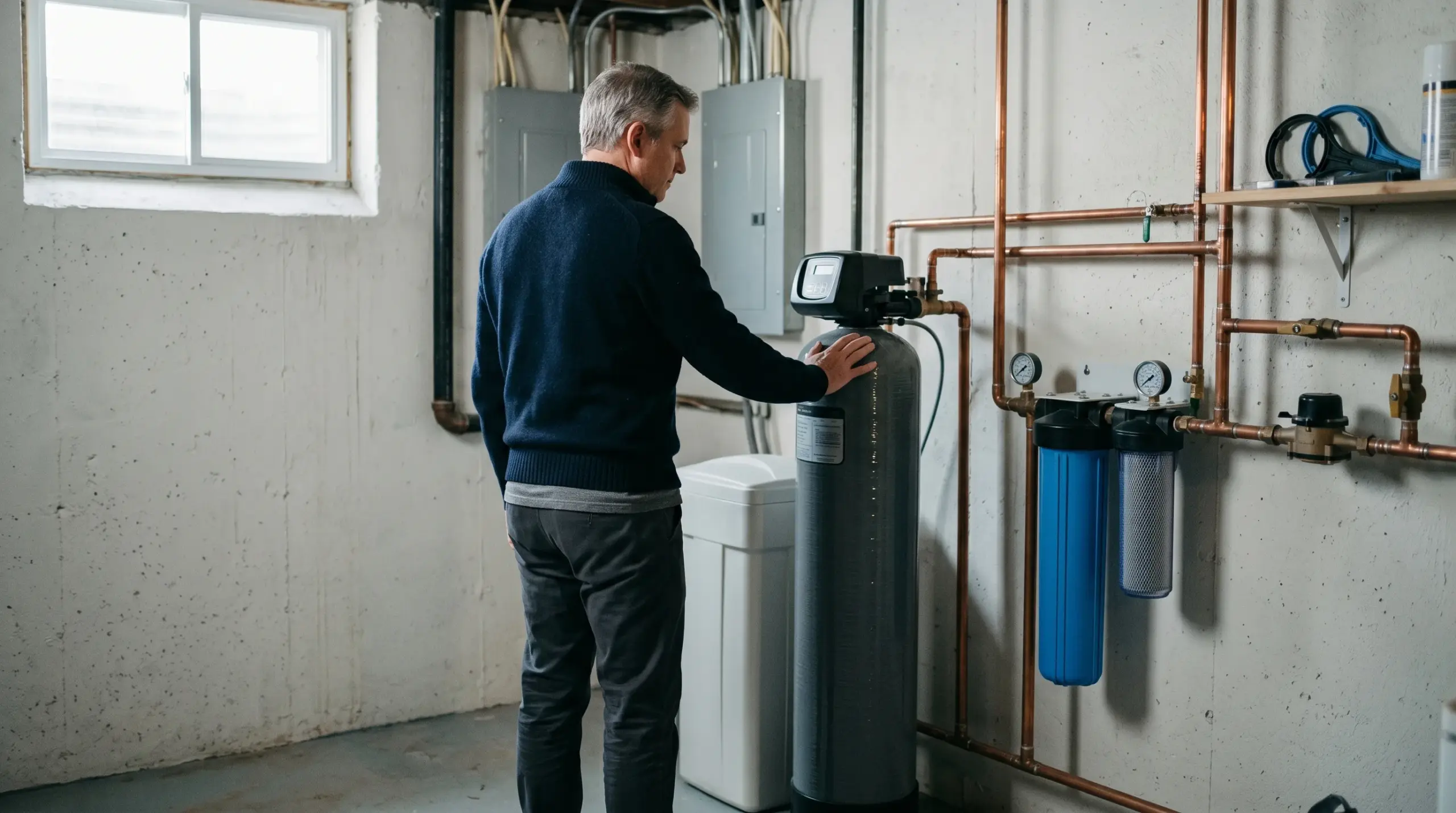
Walk into any home-improvement store, or fall down a late-night internet rabbit hole, and you'll hit the same wall of confusion: water softeners, water filters, conditioners, purifiers, "whole-house systems." They…
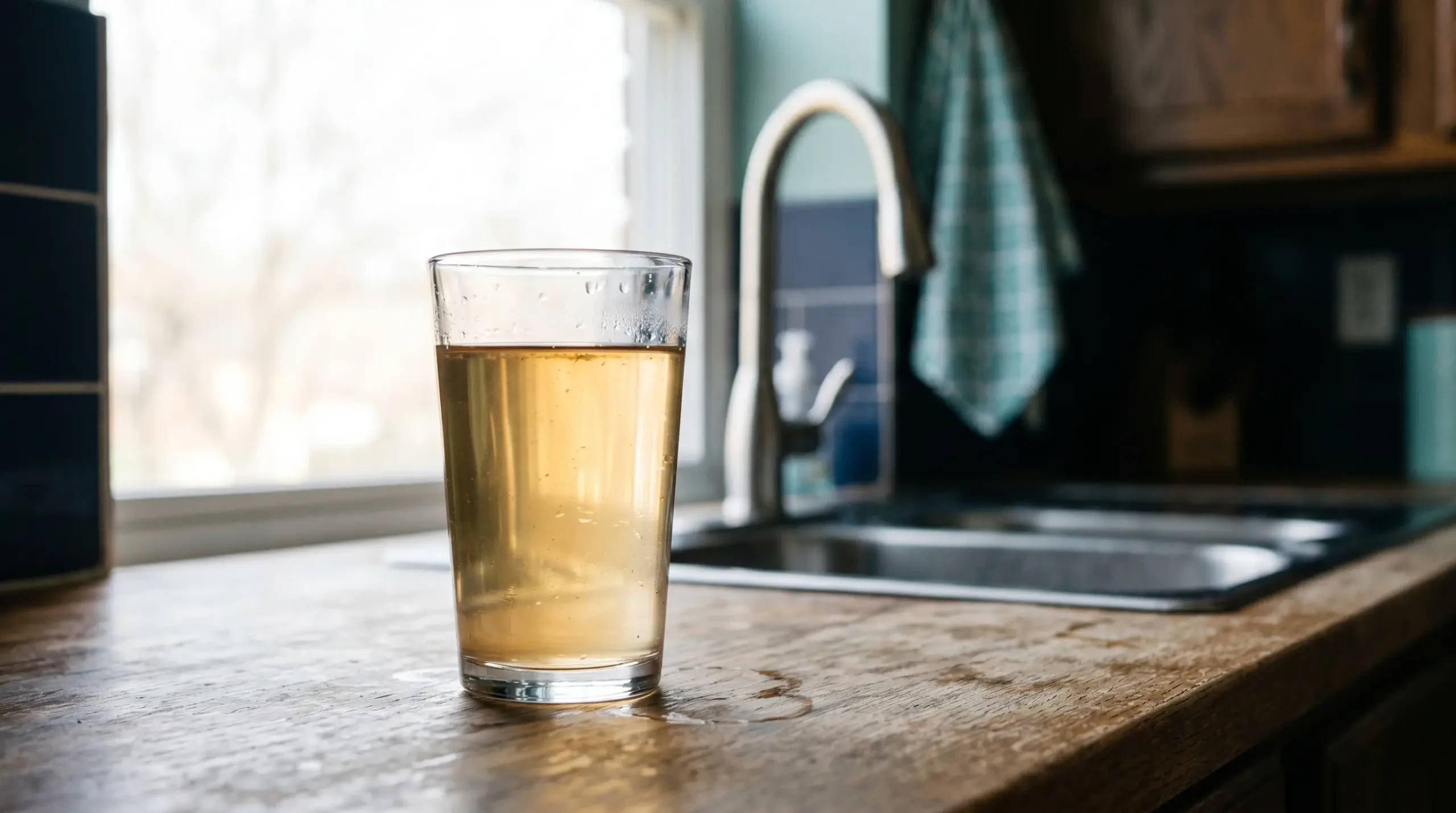
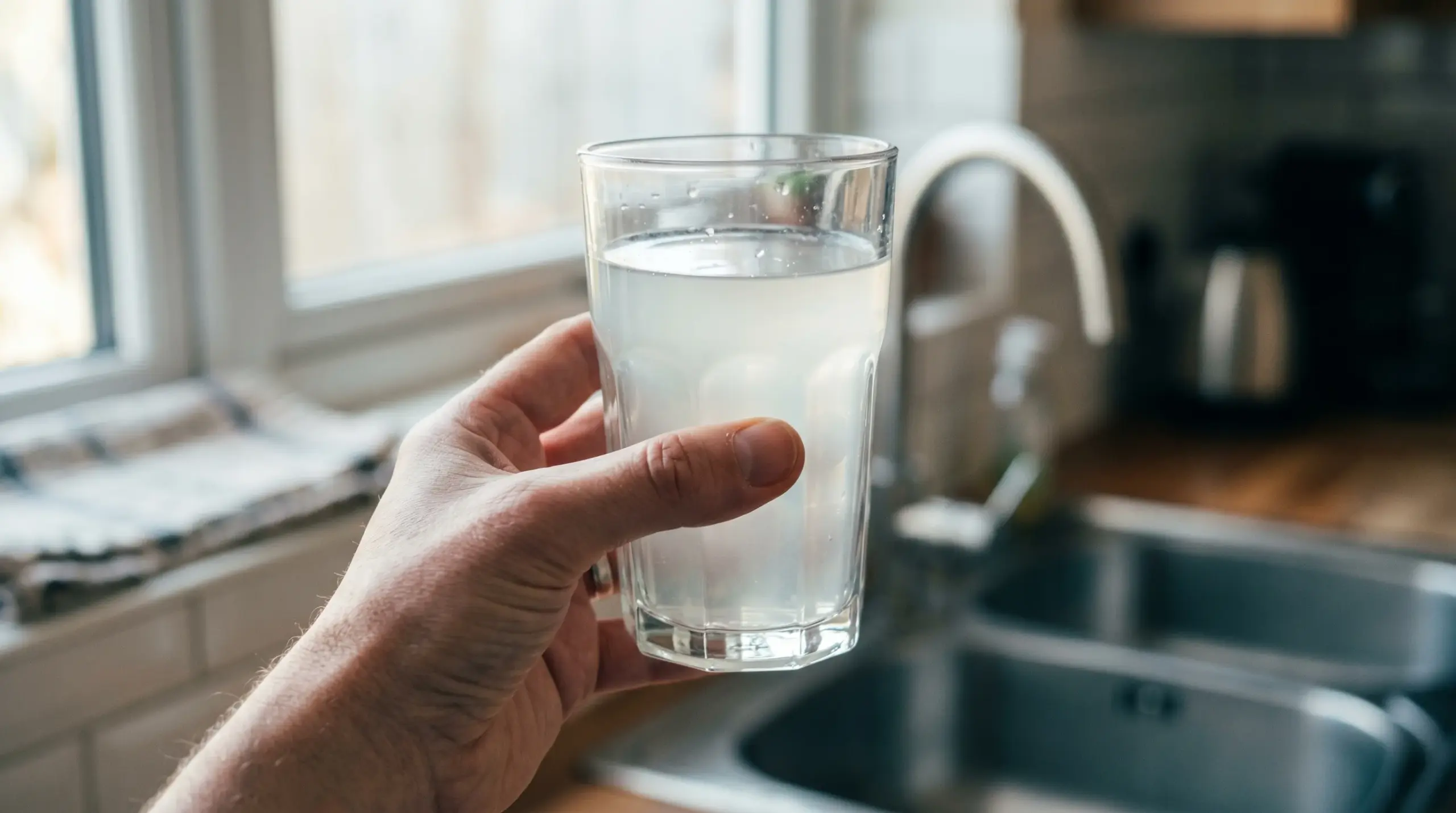
You fill a glass at the kitchen tap and the water looks like watered-down milk. An hour ago it was clear. Now it's cloudy, maybe a little white, maybe a…
If you draw your water from a private well, there is one contaminant you almost certainly are not testing for, and it is one of the few that the federal…
Nitrate is the most common chemical contaminant in private wells, and it is dangerous precisely because you cannot see, smell, or taste it. The U.S. EPA sets the legal limit…