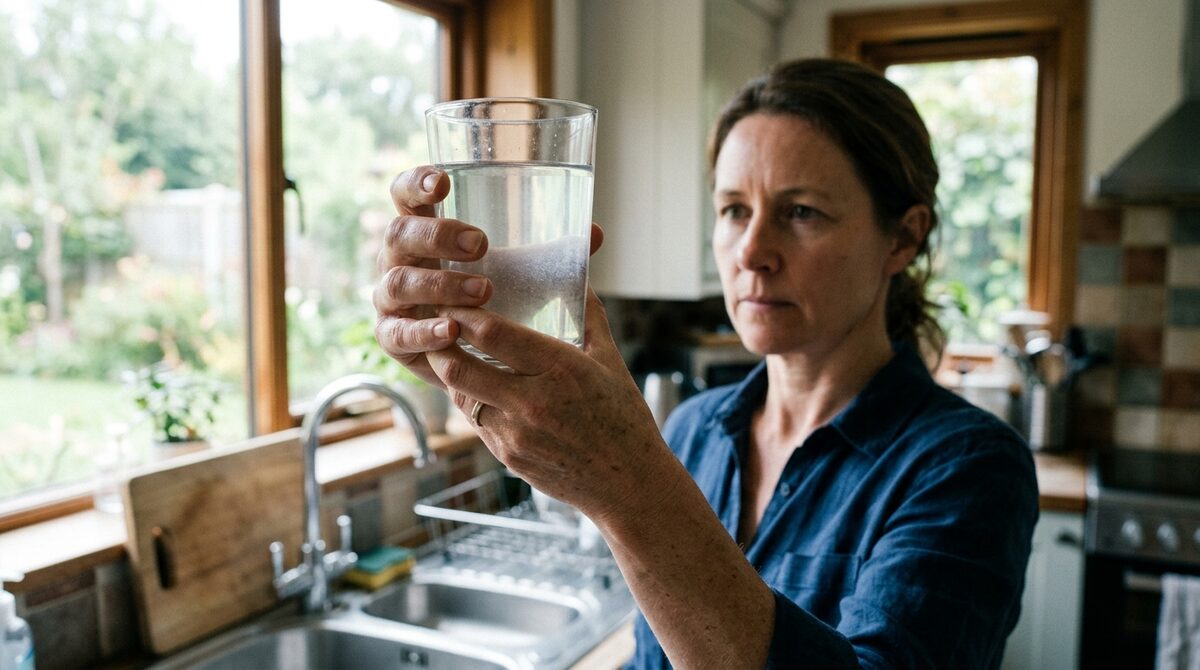
A positive bacteria test on your well is a signal to act, not proof that your water will make you sick today. The most important line on the lab report…
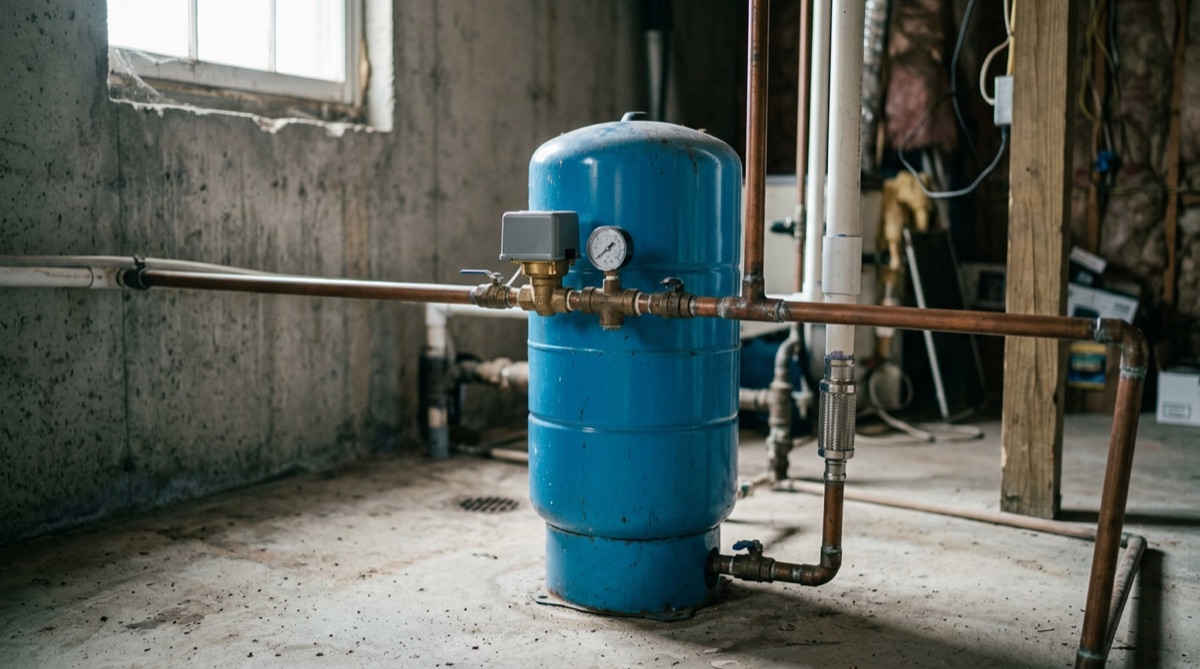
Your well pressure tank is one of the cheaper parts in the system to replace, yet a failing one is among the most expensive things to ignore. A new tank…
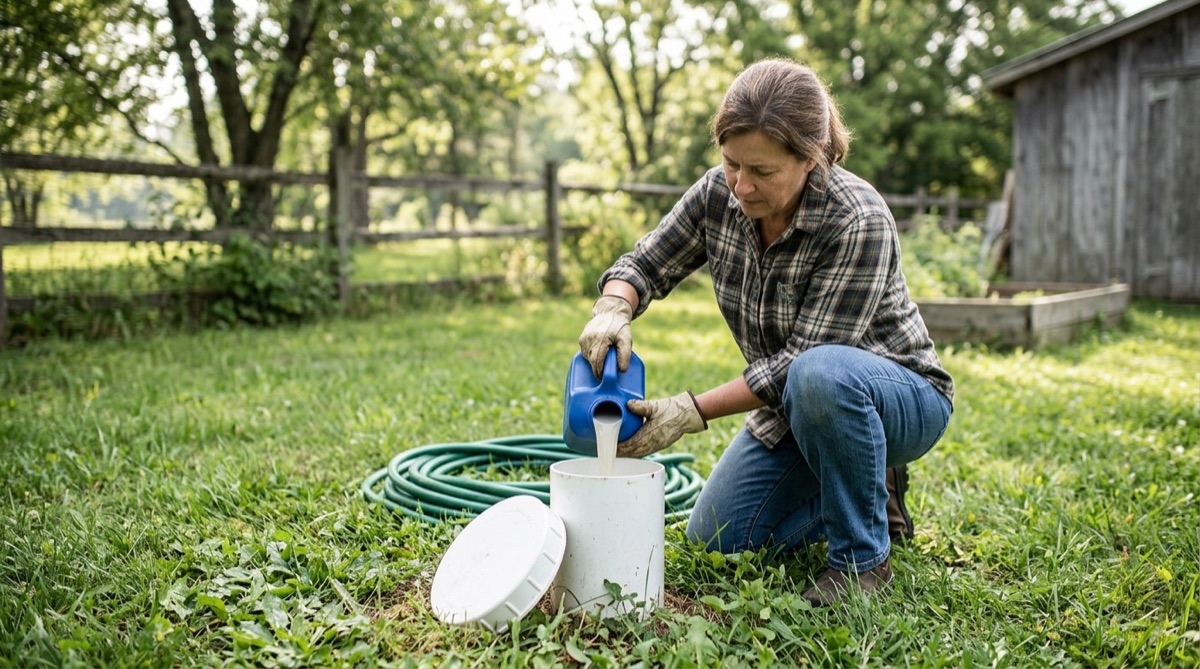
To shock chlorinate a well, you pour unscented household bleach (5.25%–6% sodium hypochlorite) into the well to reach a chlorine concentration of 50–100 parts per million, circulate it through every…
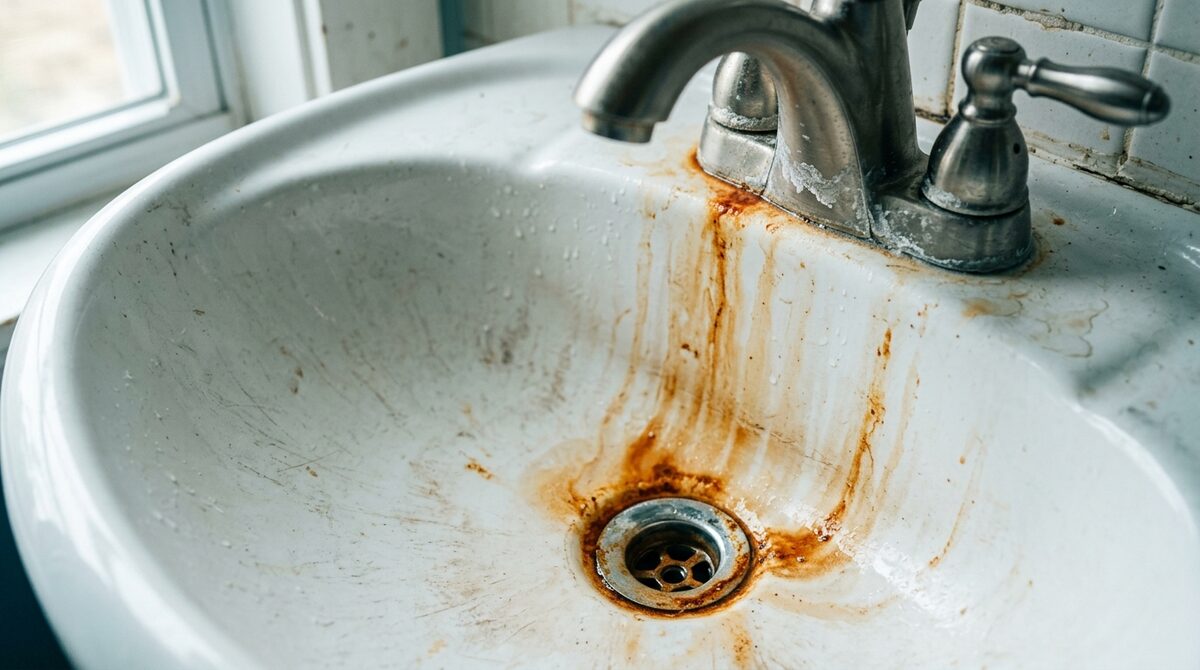
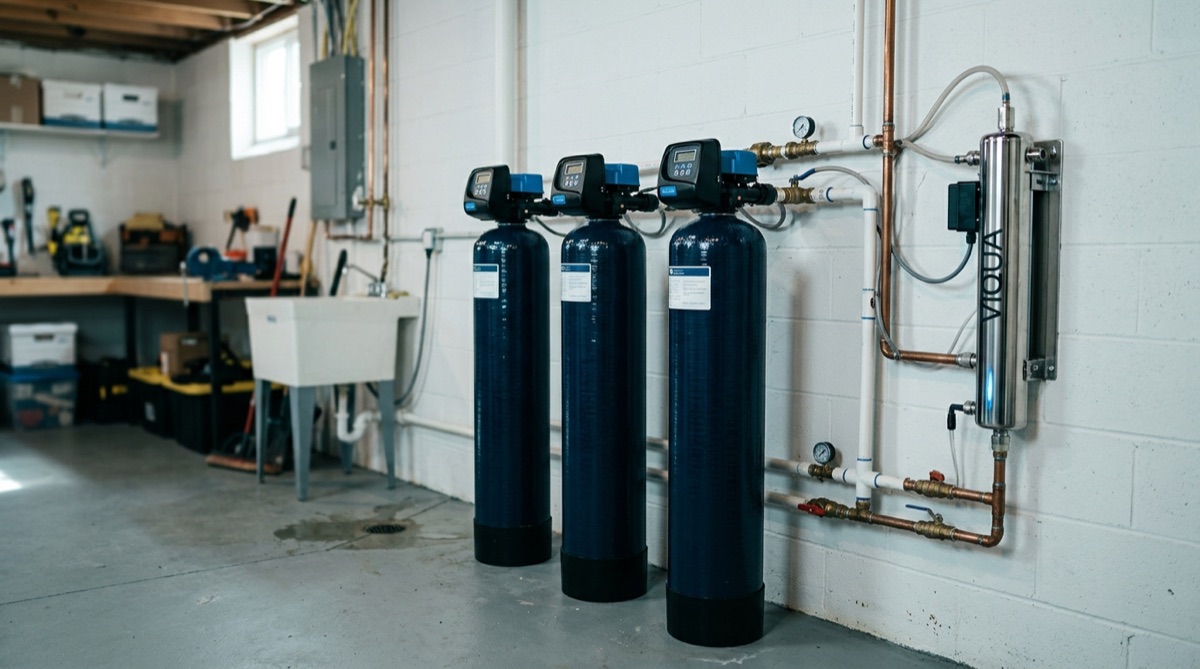
Hard water and iron are the two most common nuisances in private well water, and they have separate fixes: a water softener removes the calcium and magnesium that cause hardness,…
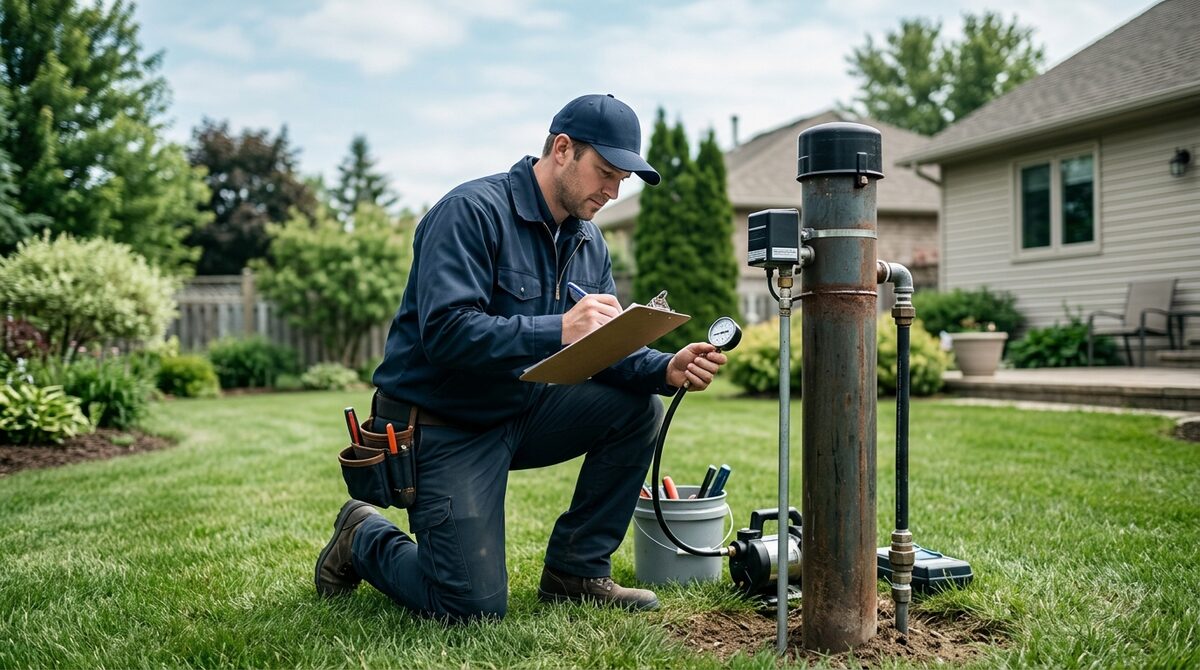
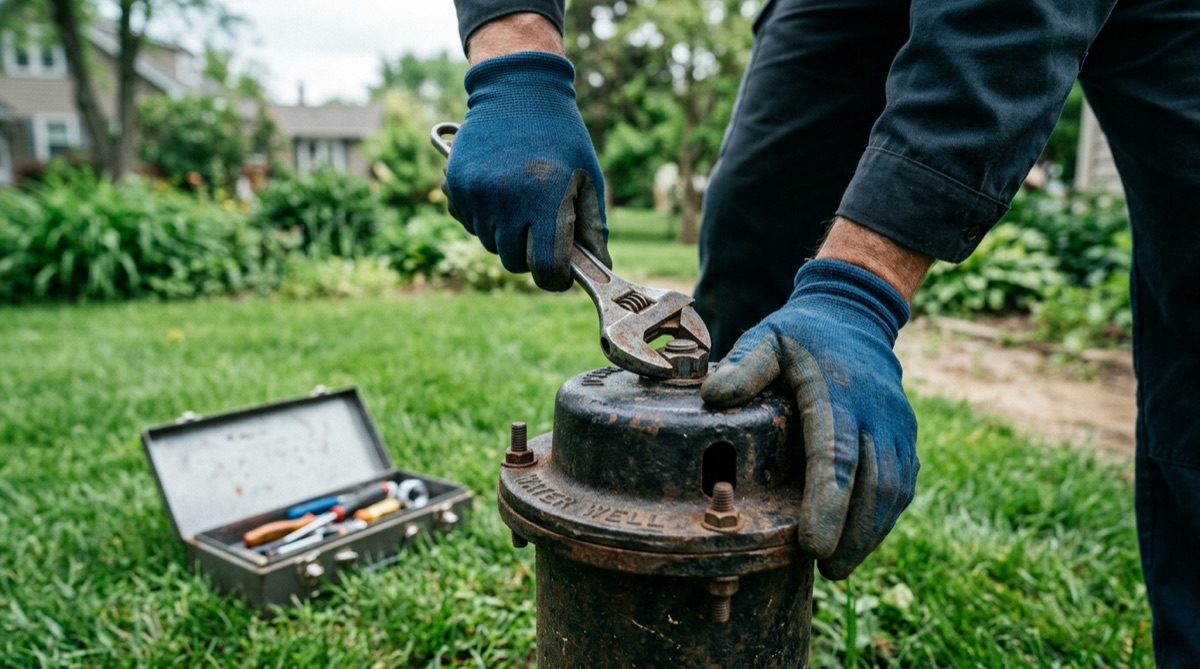
A standard residential well inspection costs roughly $250 to $550 in 2026, and most homeowners pay around $450. A basic visual-only check runs as little as $150, while a comprehensive…
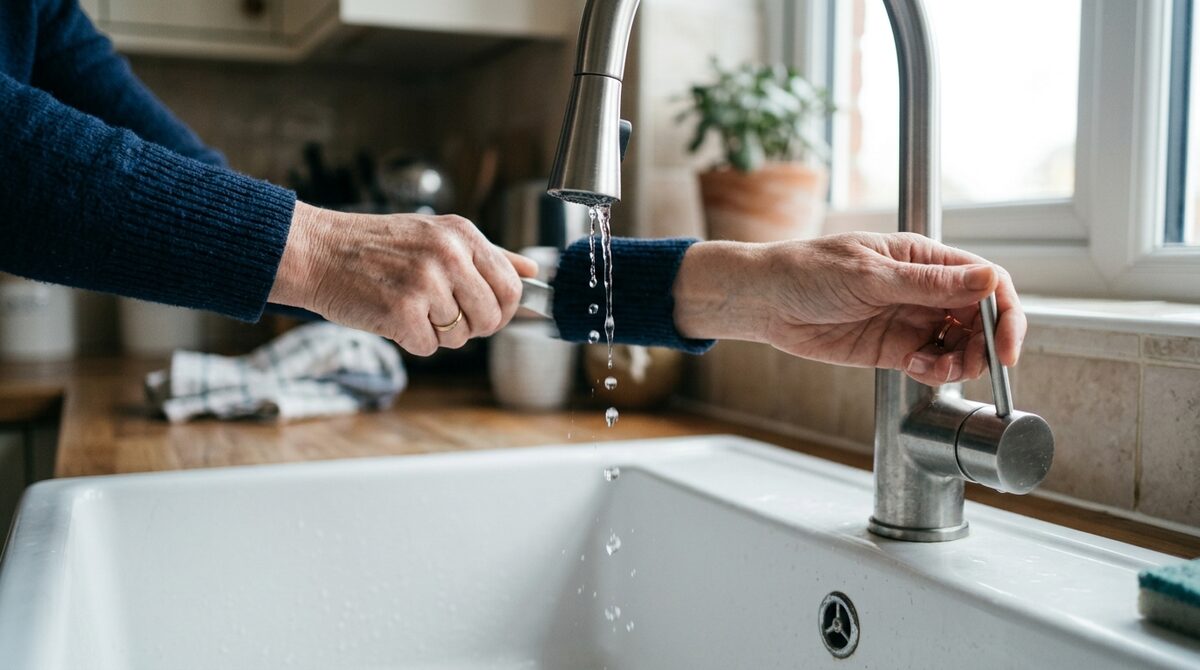
A well that's "running dry" usually means the water level in the aquifer has dropped below your pump's intake, so the pump pulls air instead of water. The good news,…
That rotten-egg smell in your well water is hydrogen sulfide (H2S) gas. It comes from one of three places: the gas occurs naturally in your aquifer, sulfur bacteria are growing…
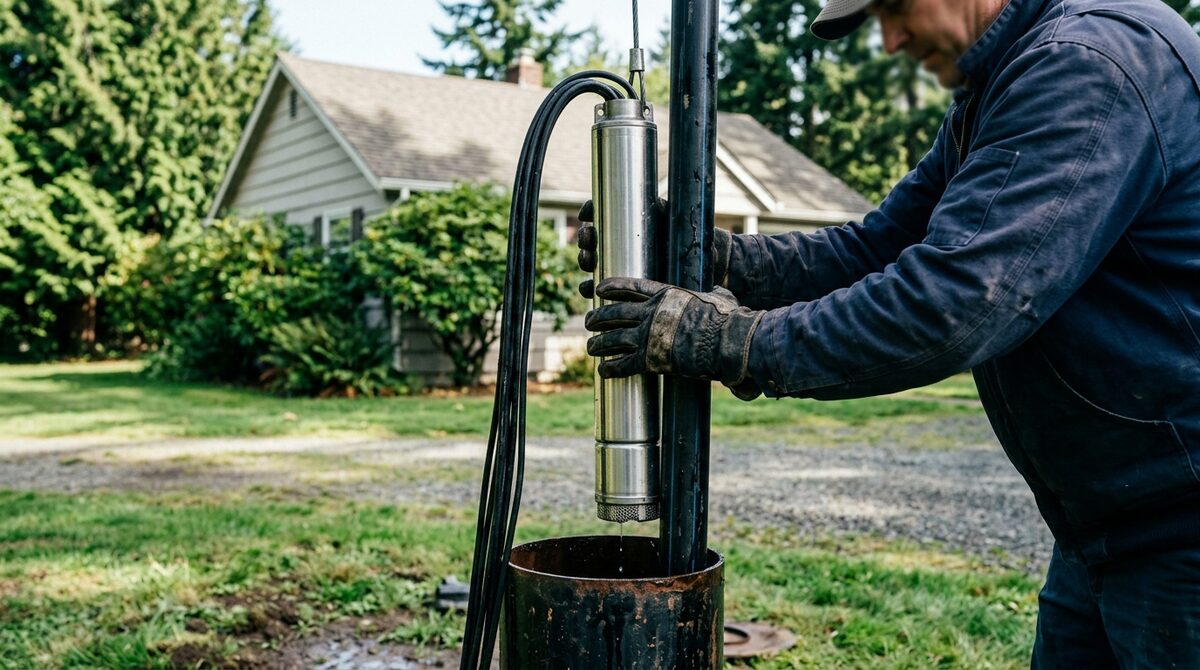
Replacing a well pump costs about $1,900 on average, with most homeowners paying roughly $1,500 to $2,827 all-in (parts plus labor). The two things that move your price the most…
If your well water tastes off, stains the sink, or you simply want peace of mind, you have probably wondered what it would take to clean it up. The honest…
A private well can serve a home reliably for 30 to 50 years or more, but only if it is looked after. Because private household wells are not covered by…
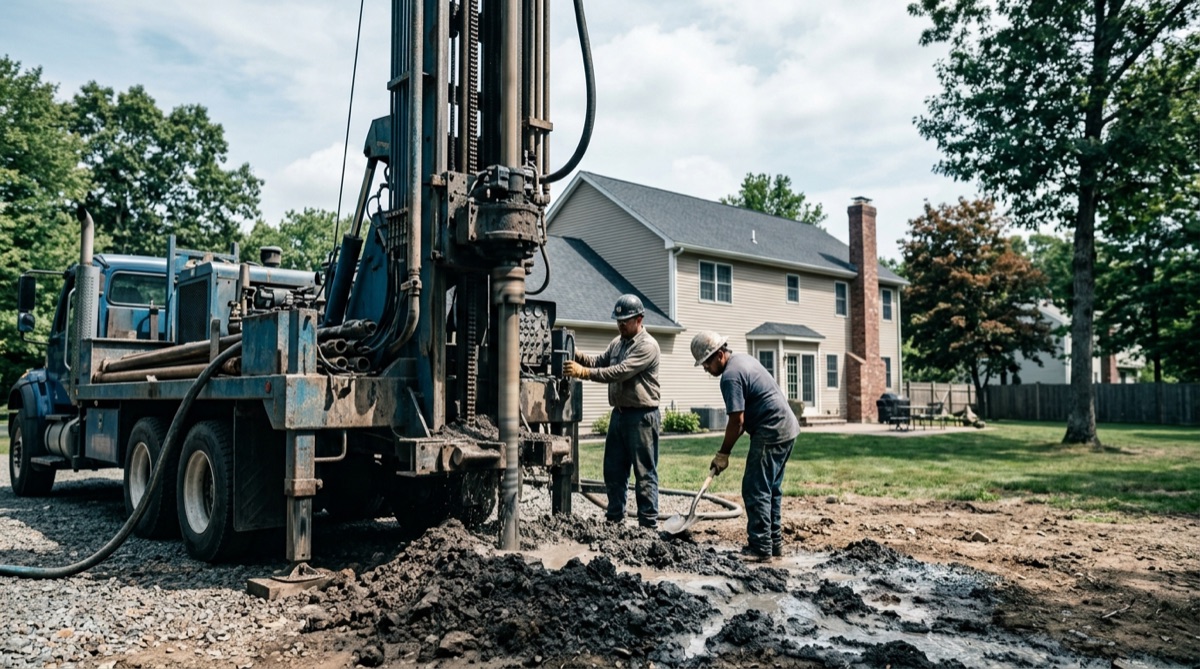
If you are thinking about drilling a new water well, the first question is almost always the same: what is this going to cost? The honest answer is that it…