

-
Well Driller Finder Editorial Team
Posts

PFAS in Well Water: How to Test for "Forever Chemicals" and Filter Them Out
If you draw your water from a private well, there is one contaminant you almost certainly are not testing for, and it is one of...

Nitrates in Well Water: Risks, Safe Levels & Removal
Nitrate is the most common chemical contaminant in private wells, and it is dangerous precisely because you cannot see, smell, or taste it. The U.S....

Arsenic in Well Water: Testing, Risks & Removal
Arsenic in well water has no taste, no smell, and no color — and if your home is on a private well, no agency tests...

Coliform & E. coli in Well Water: What to Do
A positive bacteria test on your well is a signal to act, not proof that your water will make you sick today. The most important...
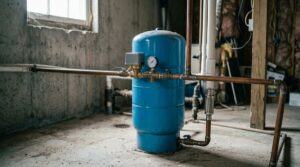
Well Pressure Tank Problems: Signs, Causes & Cost
Your well pressure tank is one of the cheaper parts in the system to replace, yet a failing one is among the most expensive things...

How to Shock Chlorinate a Well: Step-by-Step Guide
To shock chlorinate a well, you pour unscented household bleach (5.25%–6% sodium hypochlorite) into the well to reach a chlorine concentration of 50–100 parts per...
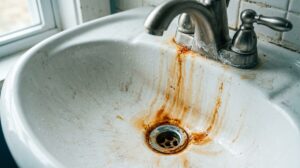
Hard Water and Iron in Well Water: Causes, Tests, and Treatment
Hard water and iron are the two most common nuisances in private well water, and they have separate fixes: a water softener removes the calcium...

Well Inspection Cost: What It Covers and What to Expect in 2026
A standard residential well inspection costs roughly $250 to $550 in 2026, and most homeowners pay around $450. A basic visual-only check runs as little...

Well Running Dry: Signs, Causes, and What to Do
A well that's "running dry" usually means the water level in the aquifer has dropped below your pump's intake, so the pump pulls air instead...

Why Your Well Water Smells Like Rotten Eggs (and How to Fix It)
That rotten-egg smell in your well water is hydrogen sulfide (H2S) gas. It comes from one of three places: the gas occurs naturally in your...